

Crisis Resources • Warm Lines • Oregon and Washington
If tonight is hard,
you still get a choice about
who shows up.
Crisis lines, peer warm lines, and county-by-county numbers for Oregon and Washington — with a plain explanation of what actually happens when you call each one.

In immediate danger: call 911
Suicide & Crisis Lifeline: call or text 988
Trans Lifeline: (877) 565-8860
Crisis Text Line: text HOME to 741741
______________________
WHY THIS PAGE EXISTS
Informed consent applies to crisis support too
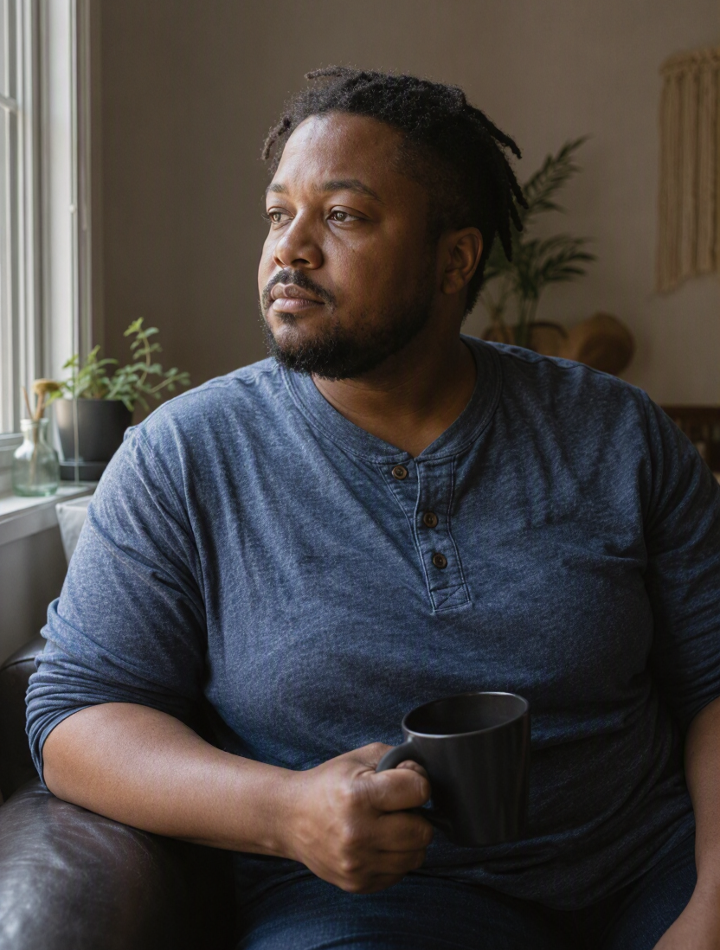
Systems marketed as help have not been safe or neutral for everyone. Knowing what you are calling before you call it is a form of bodily autonomy.
____________________________________________

Who is on the other end
A peer with lived experience, or a clinician working inside a risk-assessment framework.
____________________________________________

What they can do
What they are trained and authorized to do, and what they are required to report.
____________________________________________

What could follow
Whether your call can bring third parties, including police, into your home.
____________________________________________
______________________
WARM LINE VS CRISIS LINE
________
What is a warm line?
A peer support line. The people answering have their own lived experience with mental health challenges, distress, or marginalization.
Warm lines are not emergency services. They are not designed to assess, diagnose, or intervene. They exist to offer connection, not correction.
Call one when you are overwhelmed, anxious, or isolated but not in immediate danger; when you need someone who gets it without fear of consequences; when you want peer support outside clinical spaces; or when it is just a hard night.
Confidential. Non-clinical. Peer-led.
________
What is a crisis line?
A clinical or quasi-clinical service staffed by trained counselors equipped to respond to acute emergencies. Crisis lines follow mandatory reporting protocols and risk-assessment frameworks.
That means they may involve third parties without your consent, including emergency services, up to and including police involvement.
For Black, Indigenous, and people of color; unhoused people; people with histories of incarceration; undocumented people; and trans and nonbinary people, a police response does not equal safety.
This is not a reason to never call a crisis line. It is a reason to know what you are calling before you call it.
______________________
PEER WARM LINES
________
Oregon
David Romprey Oregon Warmline
(800) 698-2392
Peer run, in English and Spanish.
________
Washington
Washington Warm Line
(877) 500-9276
Peer run.
______________________
NATIONWIDE & IDENTITY SPECIFIC
________
Nationwide
Suicide & Crisis Lifeline
Call or text 988
Crisis Text Line
Text HOME or HOLA to 741741
Veterans Crisis Line
Dial 988 and press 1, or text 838255
________
LGBTQ+ and trans
Trans Lifeline
(877) 565-8860
LGBT National Help Center
(888) 843-4564
The Trevor Project
(866) 488-7386 · text START to 678678
Desi LGBTQ Helpline for South Asians
(908) 367-3374
________
BIPOC, youth and community
BlackLine
(800) 604-5841
StrongHearts Native Helpline
(844) 762-8483
Youthline
(877) 968-8491
TeenLine
Text TEEN to 839863
______________________
OREGON COUNTY LINES
+ Oregon: county-specific crisis lines
Baker: (541) 519-7126 Benton: (888) 232-7192 Clackamas: (503) 655-8585 or (888) 414-1553 Clatsop: (503) 325-5724 Columbia: (503) 782-4499 Confederated Tribes of Warm Springs: (541) 553-1161 Coos: (541) 266-6800 Crook: (541) 266-6800 or (888) 543-5763 Curry: (877) 408-8941 Deschutes: (541) 322-7500 x9 or (800) 875-7364 Douglas: (541) 440-3532 or (800) 866-9780 Gilliam: 911 — ask for the on-call crisis worker
Grant: 911 — ask for the on-call crisis worker
Harney: (800) 273-8255 · Español (888) 628-9454
Hood River: (800) 877-9147
Jackson: (541) 774-8201 or 988
Jefferson: (541) 475-6575 or 988
Josephine: (541) 474-5360
Klamath: (541) 883-1030
Lake: (541) 947-6021
Lane: (541) 682-1001
Lincoln: (866) 266-0288
Linn: (541) 967-3866 press 1, or (800) 304-7468
Malheur: (541) 889-9167
Marion: (503) 576-4673 or (503) 585-4949
Morrow: (541) 276-6207, (866) 343-4473, or 911
Multnomah: (503) 988-4888
Polk: (503) 623-9289 or (800) 560-5535
Sherman: (888) 877-9147
Tillamook: (503) 842-8201 or (800) 962-2851
Umatilla: (541) 276-6207 or (866) 343-4473
Union: (541) 962-8800, option 6
Wallowa: (541) 398-1175
Wasco: (541) 296-5452 or (888) 877-9147
Washington: (503) 291-9111
Wheeler: 911
Yamhill: (844) 842-8200
______________________
WASHINGTON COUNTY LINES
+ Washington: county-specific crisis lines
Adams: (877) 266-1818
Asotin: (888) 544-9986
Benton: (888) 544-9986
Chelan: (800) 852-2923
Clallam: (888) 910-0416
Clark: (800) 852-2923
Columbia: (888) 544-9986
Cowlitz: (800) 803-8833
Douglas: (800) 852-2923
Ferry: (877) 266-1818
Franklin: (888) 544-9986
Garfield: (888) 544-9986
Grant: (800) 852-2923
Grays Harbor: (800) 803-8833
Island: (800) 584-3578
Jefferson: (888) 910-0416
King: (866) 427-4747
Kitsap: (888) 910-0416
Kittitas: (888) 544-9986
Klickitat: (800) 852-2923
Lewis: (800) 803-8833
Lincoln: (877) 266-1818
Mason: (800) 270-0041
Okanogan: (800) 852-2923
Pacific: (800) 803-8833
Pend Oreille: (877) 266-1818
Pierce: (800) 576-7764
San Juan: (800) 584-3578
Skagit: (800) 584-3578
Skamania: (800) 626-8137
Snohomish: (800) 584-3578
Spokane: (877) 266-1818
Stevens: (877) 266-1818
Thurston: (800) 270-0041
Wahkiakum: (800) 803-8833
Walla Walla: (888) 544-9986
Whatcom: (800) 584-3578
Whitman: (888) 544-9986
Yakima: (888) 544-9986
______________________
HEALING JUSTICE
Trusting you with the whole picture
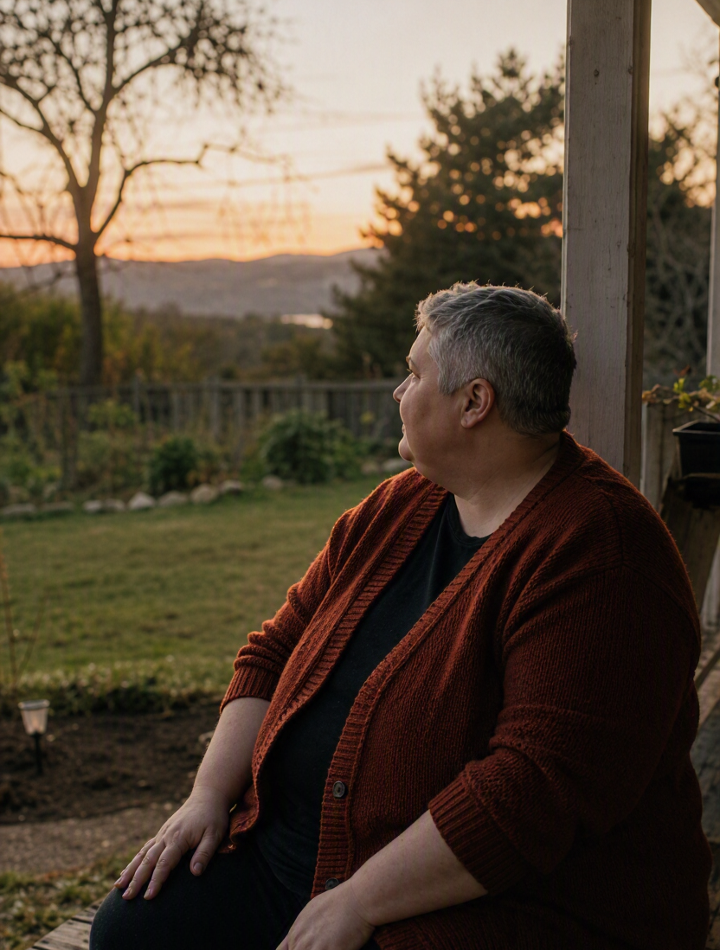
The idea that calling emergency services is always the right answer comes from a model that centers risk management over relationship.
____________________________________________
Choice is care
Knowing the difference between a warm line and a crisis line is a form of bodily autonomy.
____________________________________________
On whose terms
You get to choose, as much as possible, what kind of support enters your life.
____________________________________________
Not discouragement
This isn’t talking you out of reaching out. It’s trusting you with full information.
____________________________________________
Wanting to work with someone who starts here? See trauma therapy →
______________________
WHEN THE HARD NIGHT PASSES
Ongoing support, when you want it
This page is here whether or not we ever work together. If you’d like ongoing care in Oregon or Washington, reach out and we’ll find a time.
Crisis and mental health resources for Oregon and Washington — telehealth throughout both states.Looking for ongoing care? See gender-affirming therapy · See trauma therapy →